Guides
Modular care instructions organized by topic. Each section addresses a specific aspect of indoor plant care, allowing you to build a care routine suited to your space and plants.
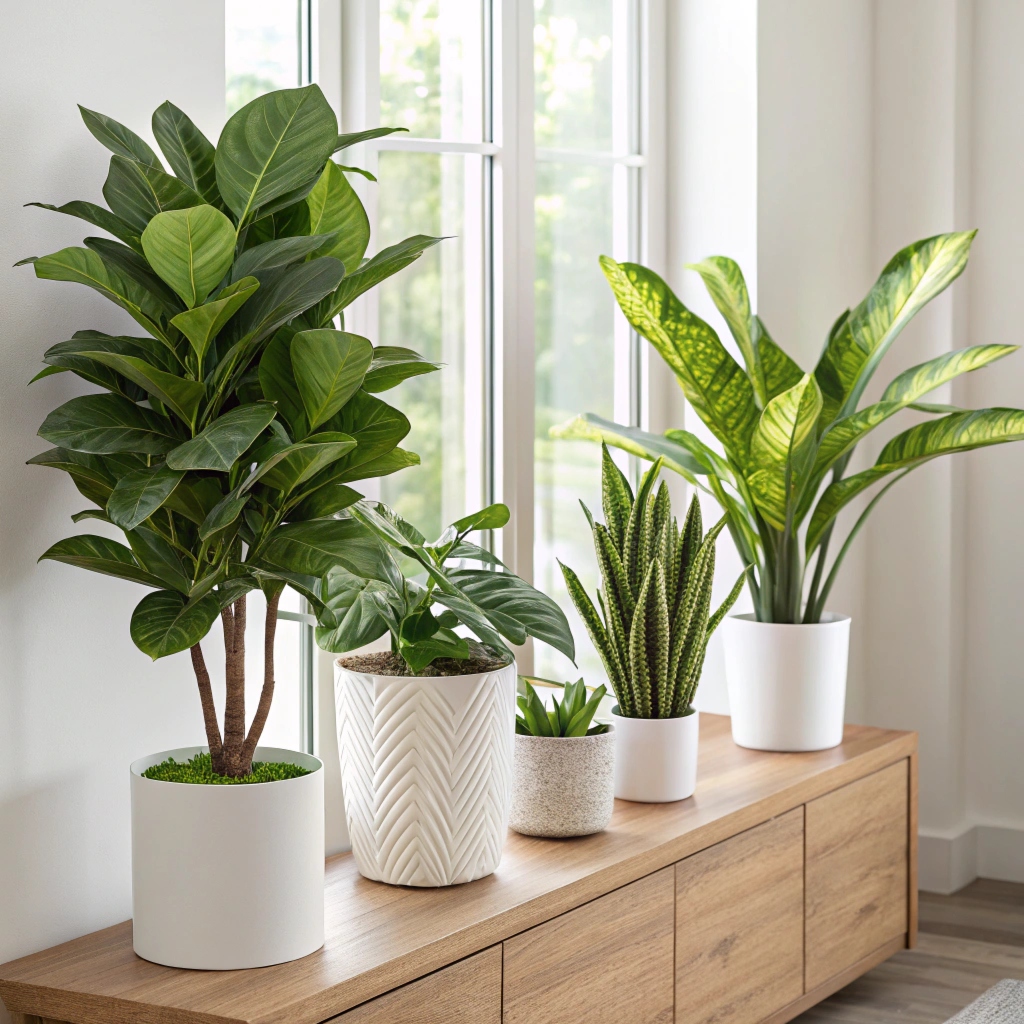
Light Assessment
Observe the quality and direction of light in your space throughout the day. North-facing windows provide consistent, indirect light suitable for many species.
South-facing windows offer brighter conditions but may require filtering during peak hours. East and west windows provide morning or afternoon light respectively.
Signs of insufficient light include leggy growth, small leaves, and loss of variegation. Too much direct light can cause leaf burn or fading.
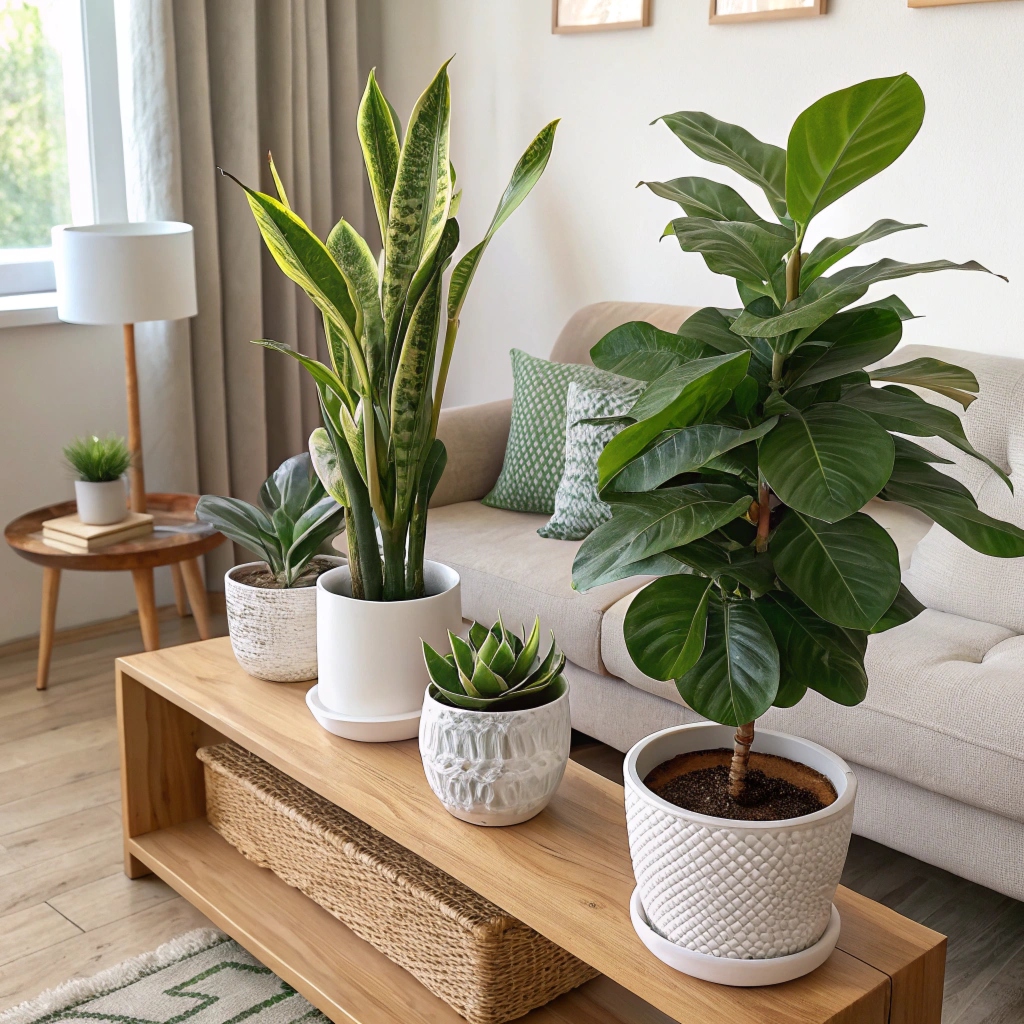
Watering Practices
Check soil moisture by inserting a finger into the top inch of soil, or by lifting the pot to assess weight. Dry soil feels light; moist soil feels heavier.
Water thoroughly until water drains from the bottom of the pot. Allow excess water to drain completely. Avoid leaving plants sitting in standing water.
Frequency varies with season, light levels, plant size, and pot material. Terracotta pots dry faster than glazed ceramic or plastic.
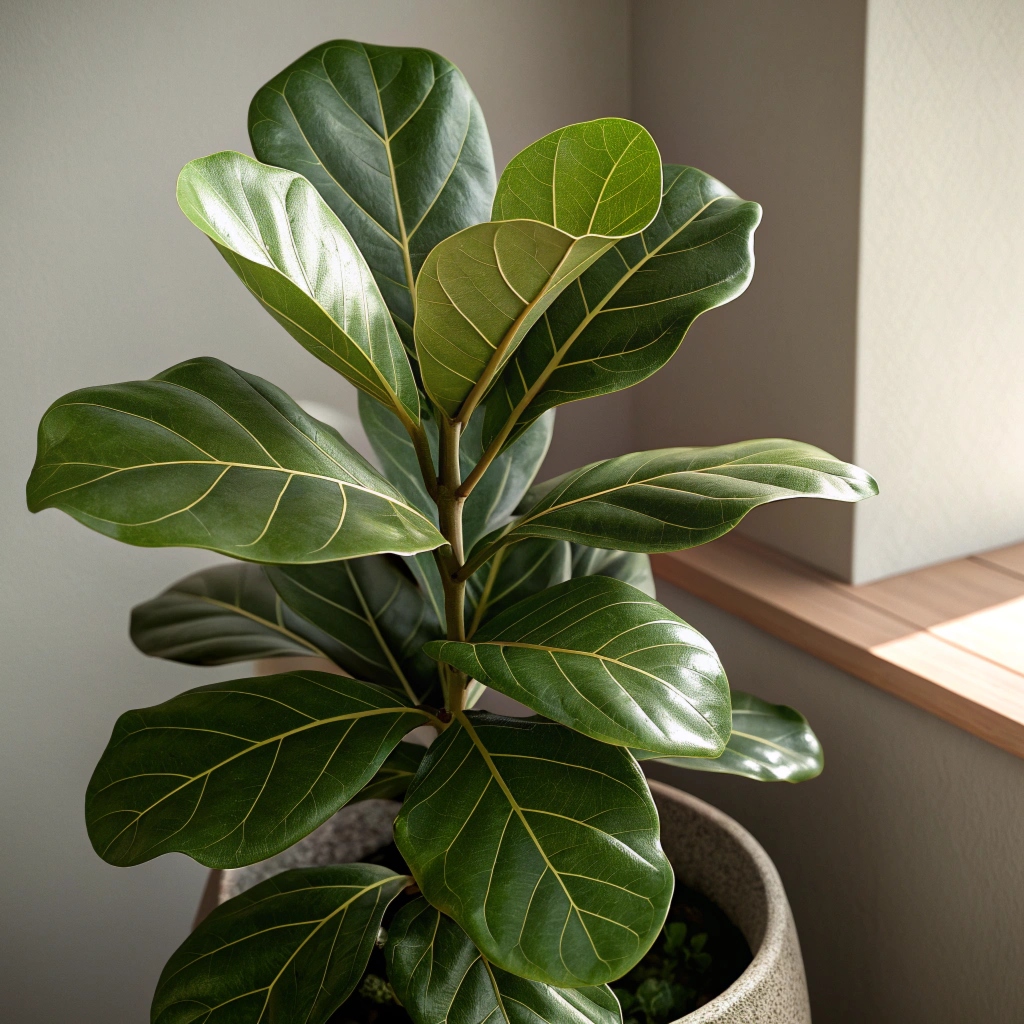
Humidity & Environment
Indoor environments, especially during Canadian winters, can be quite dry. Many houseplants benefit from increased humidity.
Grouping plants together creates a microclimate with higher humidity. Placing pots on trays filled with water and pebbles increases local humidity as water evaporates.
Misting can provide temporary relief but has limited effect. Consider room humidifiers for consistent humidity levels.
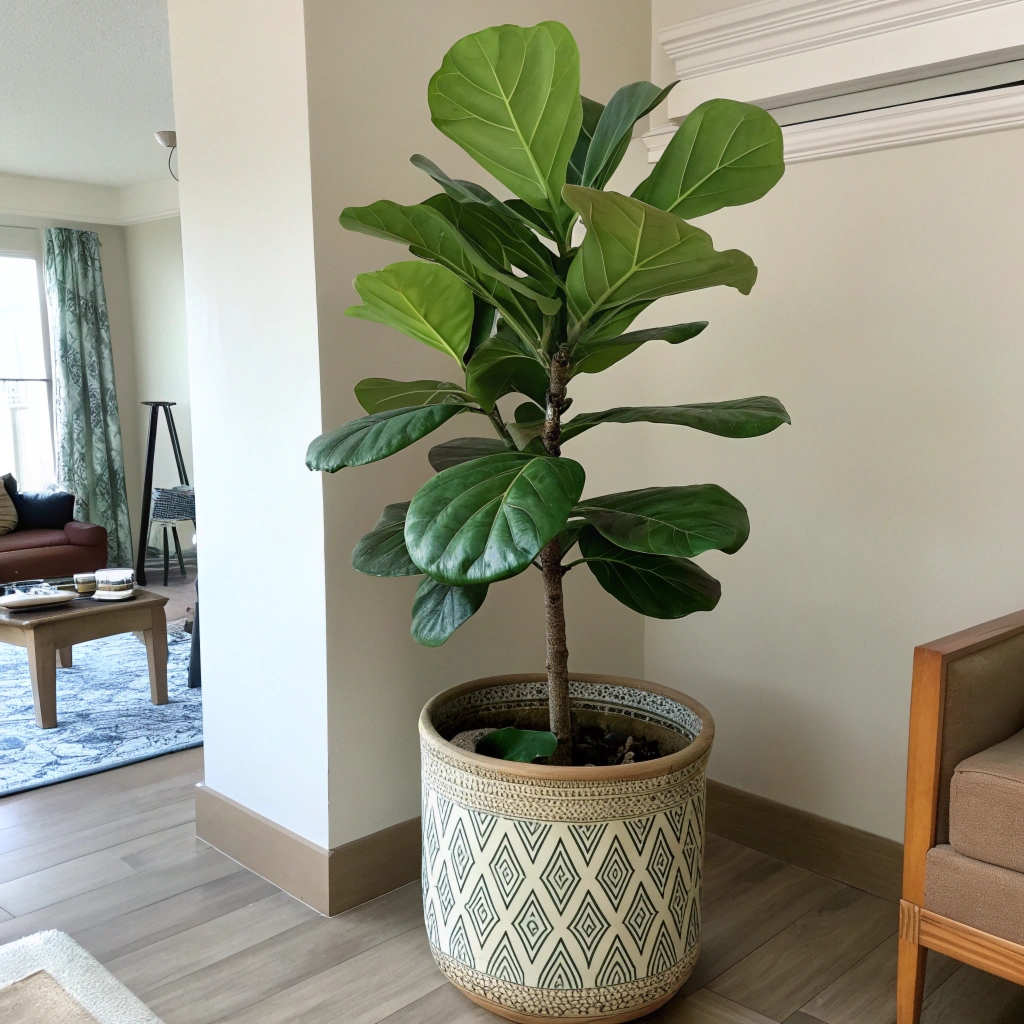
Soil & Drainage
Well-draining potting mix is essential. Standard mixes combine peat or coco coir, perlite, and sometimes bark or compost.
Ensure pots have drainage holes. If using decorative containers without drainage, plant in a nursery pot that can be removed for watering.
Refresh soil every two to three years, or when plants become root-bound. Repotting is best done in spring when plants are actively growing.
Nutrition
Plants benefit from regular feeding during active growth periods, typically spring through early fall. Reduce or eliminate feeding during winter dormancy.
Use balanced, water-soluble fertilizer diluted to half strength. Apply every four to six weeks during growing season.
Over-fertilizing can damage roots and cause leaf burn. When in doubt, use less rather than more.
Maintenance & Pruning
Remove yellowing or damaged leaves regularly. This improves appearance and prevents potential pest or disease issues.
Prune leggy growth to encourage bushier habits. Pinch back growing tips on trailing plants to promote branching.
Clean leaves periodically with a damp cloth to remove dust, which can interfere with light absorption.
Seasonal Considerations
Spring & Summer
Increased light and longer days trigger active growth. Water more frequently as plants use more moisture. This is the ideal time for repotting and propagation.
Fall & Winter
Reduced light and shorter days slow growth. Reduce watering frequency. Many plants enter a rest period. Avoid repotting unless necessary.
Common Observations
Plants communicate their needs through visible signs. Yellowing leaves may indicate overwatering, underwatering, or natural aging. Drooping can signal thirst or root issues.
Brown leaf tips often result from low humidity or inconsistent watering. Leggy growth suggests insufficient light. Slow growth may indicate need for repotting or feeding.
Each plant responds differently. Regular observation helps you understand your specific plant's patterns and needs.